RESEARCH ARTICLE
Effectiveness of a digital academic poster on the level of knowledge about newborn screening
Eficacia de un póster académico digital en el nivel de conocimientos sobre tamizaje neonatal
Roger Alejandro Leyva Poblador 1*, https://orcid.org/0009-0003-9418-5818
Octavio Alisdan Paz Ricardo 1, https://orcid.org/0009-0005-8983-0493
Yudel Tomás Fabars Bueno 1, https://orcid.org/0009-0009-2213-9971
Josefina Herrera López 2, https://orcid.org/0009-0004-2523-0491
Migdalia Fernández Villalón 3, https://orcid.org/0000-0002-7784-3538
1 University of Medical Sciences of Santiago de Cuba. Faculty of Medicine No. 1. Santiago de Cuba, Cuba.
2 Dr. Juan de la Cruz Martínez Maceira Northern Teaching Children's Hospital. Santiago de Cuba, Cuba.
3 University of Medical Sciences of Santiago de Cuba. Santiago de Cuba, Cuba.
* Corresponding author: roger.leyva@infomed.sld.cu
Received: 26/05/2026
Accepted: 08/08/2026
Published: 14/08/2026
How to cite this article: Leyva-Poblador RA; Paz-Ricardo OA; Fabars-Bueno YT; Herrera-López J; Fernández-Villalón M. Effectiveness of a digital academic poster on the level of knowledge about newborn screening. MedEst. [Internet]. 2026 [cited access date]; 6:e526. Available in: https://revmedest.sld.cu/index.php/medest/article/view/526
ABSTRACT
Introduction: Newborn screening is a public health procedure for the early detection of congenital diseases, but its study in medical school is complex when using traditional bibliography. The academic poster is presented as an innovative teaching resource that uses images to facilitate knowledge transmission.
Objective: To create an academic poster for the study of newborn screening in the Pediatrics course (fourth year of Medicine) and to evaluate its effectiveness on the students' level of knowledge.
Methods: A technological innovation research with a quasi-experimental pre-post design without a control group was conducted at Faculty of Medicine No. 1 in Santiago de Cuba (April-June 2025). Sixty-five students were selected by simple random sampling; 62 completed the study (effective sample). A five-question test on newborn screening was applied before and after using the digital poster. McNemar's test for paired samples was used (p<0.05).
Results: Before the intervention, 56 students (90.3 %) had an inadequate level of knowledge. After using the poster, 59 students (95.2 %) achieved an adequate level (p<0.001). All participants rated the poster as easy to use, with good design, and reported being motivated to study the content.
Conclusions: The academic poster "Neonatal Screening" proved to be effective in increasing the level of knowledge of medical students, constituting a useful, accessible, and low-cost teaching resource for teaching complex content in undergraduate education.
Keywords: Learning; Poster; Level of knowledge; Academic poster; Teaching-learning process; Neonatal screening.
RESUMEN
Introducción: el tamizaje neonatal es un procedimiento de salud pública para la detección precoz de enfermedades congénitas, pero su estudio en la carrera de Medicina resulta complejo mediante la bibliografía tradicional. El póster académico se presenta como un recurso didáctico innovador que utiliza la imagen para facilitar la transmisión del conocimiento.
Objetivo: confeccionar un póster académico para el estudio del tamizaje neonatal en la asignatura de Pediatría (cuarto año de Medicina) y evaluar su eficacia en el nivel de conocimientos de los estudiantes.
Métodos: se realizó una investigación de innovación tecnológica con fase de comprobación cuasiexperimental, de antes y después sin grupo control, en la Facultad de Medicina No. 1 de Santiago de Cuba (abril-junio de 2025). Se seleccionaron 65 estudiantes mediante muestreo aleatorio simple; 62 completaron el estudio (muestra efectiva). Se aplicó un cuestionario de cinco preguntas sobre tamizaje neonatal antes y después de utilizar el póster digital. Se empleó la prueba de McNemar para muestras pareadas (p<0,05).
Resultados: antes de la intervención, 56 estudiantes (90,3 %) presentaron un nivel de conocimientos inadecuado. Después de utilizar el póster, 59 estudiantes (95,2 %) alcanzaron un nivel adecuado (p<0,001). La totalidad de los participantes calificó el póster como fácil de usar, con buen diseño y refirió sentirse motivada para el estudio del contenido.
Conclusiones: el póster académico «Tamizaje Neonatal» demostró ser eficaz para elevar el nivel de conocimientos de los estudiantes de Medicina, constituyendo un recurso didáctico útil, accesible y de bajo costo para la enseñanza de contenidos complejos en pregrado.
Palabras clave: Aprendizaje; Cartel; Nivel de conocimiento; Póster académico; Proceso de enseñanza-aprendizaje; Tamizaje neonatal.
INTRODUCTION
The newborn constitutes a vulnerable population that requires specialized health interventions for the early detection of conditions not evident at birth but which manifest during growth and development (1). In this context, neonatal screening programs have been established globally as fundamental public health strategies for the early identification of congenital metabolic and endocrinological diseases (2,3).
Neonatal screening is defined as a public health procedure that allows for the detection, in the first stage of life, of diseases classified as "silent" due to their difficult initial clinical identification (4). The technique consists of obtaining a blood sample from the newborn's heel, applied to specific filter paper, for the biochemical analysis of conditions such as congenital hypothyroidism, congenital adrenal hyperplasia, phenylketonuria, galactosemia, and biotinidase deficiency, among others (4,5).
The origin of this methodology dates back to 1973 in Quebec, Canada, with the implementation of the first screening program for congenital hypothyroidism through the quantification of total thyroxine in dried blood samples (5). Currently, two screening modalities are distinguished: basic, with the capacity to detect 4 diseases, and expanded, which can identify between 20 and 76 pathological conditions depending on the technology used (5,6). The epidemiological relevance of these conditions is considerable. The World Health Organization estimates that 303,000 children die each year from birth defects during the first weeks of life (7).
In Latin America and the Caribbean, where approximately 10 million children are born each year, congenital diseases constitute the second cause of infant mortality, with nearly 100,000 neonatal deaths recorded (7). Specifically, congenital adrenal hyperplasia presents a variable incidence between 1:14,000 and 1:18,000 live births, with populations at higher risk in certain regions due to consanguinity factors (8). Congenital hypothyroidism, the leading cause of neonatal endocrine pathology, reaches a global prevalence of approximately 3:10,000; before the establishment of screening programs, its natural evolution inexorably led to progressive neurological deterioration (9).
Cuba has played a pioneering role in Latin America in the implementation of national neonatal screening programs. Since 1986, the country established a comprehensive program for the detection of congenital hypothyroidism, becoming the second on the continent to develop this initiative (10). The current National Maternal and Child Health Program establishes the mandatory nature of neonatal screening for all newborns, with sample processing in the national network of SUMA laboratories and immediate referral of positive cases to the National Center for Genetics or the National Institute of Endocrinology for diagnostic confirmation (6). Recently, the detection panel has been expanded to seven diseases, with the incorporation of maple syrup urine disease, a metabolic condition that, without timely treatment, can cause encephalopathy and irreversible neurological damage (10).
Despite the clinical and epidemiological relevance of neonatal screening, the teaching of its foundations, procedures, and practical implications presents difficulties in undergraduate medical training. Students in the Pediatrics course often report that understanding the contents related to this topic becomes complex when addressed exclusively through traditional bibliography, given the integration of knowledge from biochemistry, endocrinology, genetics, and public health that its mastery requires (11). Previous studies in the Cuban context have indicated that the use of conventional teaching materials fails to capture attention or facilitate meaningful learning of neonatology topics, which is reflected in low results in practical evaluations (12). This situation evidences the need to design innovative pedagogical strategies that favor the appropriation of complex concepts and procedures (13).
In contemporary medical education, information and communication technologies have transformed teaching-learning processes and have given rise to new active methodologies and innovative didactic resources (14). Among these, the academic poster is consolidated as an effective tool for the transmission of scientific knowledge, with the image as a central element in the dissemination of information (15). Previous research has shown that the implementation of academic posters in university teaching favors knowledge acquisition and improves student motivation (16,17). Furthermore, the incorporation of quick response (QR) codes has facilitated access to complementary sources and has promoted self-learning, adapting to the learning styles of new generations (13).
Given the identification of difficulties in the understanding of neonatal screening by students in the Pediatrics course, and considering the limited availability of specific didactic materials for the Neonatology specialty in the Cuban context, the present investigation was developed with the objective of creating an academic poster for the study of neonatal screening in the Pediatrics course taught in the fourth year of the Medicine degree, and to evaluate its effectiveness on the students' level of knowledge.
METHODS
Research design
A technological innovation research was conducted, with a verification phase through an observational, quasi-experimental, before-and-after study without a control group. The study was carried out at the Faculty of Medicine No. 1 of the University of Medical Sciences of Santiago de Cuba, during the period from April to June 2025.
The research was structured into three methodological stages: product design, product development, and effectiveness testing.
Product design
The academic poster was created in three moments: search and compilation of information, selection of technological tools, and product design. For the theoretical foundation, theoretical methods were used: historical-logical (to establish the methodological bases and theoretical framework of the research, as well as for the poster design through the recognition of the essential cores of the content); analysis-synthesis (for the study of bibliographies and interpretation of theoretical sources); and structural-systemic (to design the structure, components, and relationships of the product). As an empirical method, scientific observation of the learning difficulties reported by students and professors in the Pediatrics course was used.
Product development
The academic poster "Neonatal Screening" was created using a Samsung A64 mobile device and the Canva design platform. The product was disseminated through a WhatsApp group called "FEU Information 4th Year," belonging to the community of the Faculty of Medicine No. 1. The poster consists of a single page with a gray background, including conceptual boxes and informational notes on the definition, objectives, and procedure of neonatal screening. It features an inclined arrow that connects, in logical order, the steps of the procedure. In the lower central area, a table with the characteristics of the detectable diseases is attached, accompanied by illustrative images. In the lower left corner, a QR code is incorporated that links to three scientific articles related to the topic.
Population and sample
The universe consisted of 74 fourth-year students from the Faculty of Medicine No. 1 who were completing the Pediatrics rotation during the study period and who agreed to participate voluntarily in the research. A sample of 65 students was selected through simple random sampling, using a computer-generated table of random numbers. Of these, 62 completed all phases of the study (three dropped out for not completing the second evaluation), constituting the final effective sample (retention rate of 95.4%).
Inclusion criteria: fourth-year medical students enrolled in the Pediatrics course; who had previously received the theoretical class on neonatal screening; who agreed to participate voluntarily through informed consent; and who had access to a mobile device with internet connection.
Exclusion criteria: students who had previously failed the Pediatrics course; who were repeating the rotation; or who had demonstrable prior knowledge of neonatal screening due to previous work experience (nursing technicians or other health professionals).
Study phases. The verification was developed in three phases:
First phase (baseline evaluation): An initial diagnosis of the level of knowledge about neonatal screening was performed using a structured questionnaire of five multiple-choice questions, each with four answer options, of which only one was correct. The questionnaire assessed the following aspects: definition of neonatal screening (question 1), detectable diseases (question 2), sample collection technique (question 3), appropriate timing of performance (question 4), and interpretation of results (question 5). The instrument was validated by two specialists: a professor from the "Dr. Juan de la Cruz Martínez Maceira" Northern Teaching Children's Hospital and a Doctor of Sciences, who evaluated content and face validity using the Lawshe method. A global content validity index (CVI) of 0.92 was calculated.
Second phase (intervention): Each participant received the academic poster in digital format through the WhatsApp group, along with a 5-minute explanatory audio recording by one of the researchers (OAPR), which described the poster's structure and provided guidance on its use. The students had 72 hours to study the content. Subsequently, the same questionnaire from the first phase was administered to evaluate the change in the level of knowledge.
Third phase (usability evaluation): An additional questionnaire was applied to assess dimensions of usability and satisfaction: understanding of the content (adequate or inadequate), ease of use (easy to use, moderately easy to use, or difficult to use), design (good, fair, or poor), and motivation for studying the topic (motivated or not motivated).
Study variables
The main variable was the level of knowledge about neonatal screening, defined as dichotomous: adequate if the student answered correctly ≥4 out of 5 questions; inadequate if they answered correctly ≤3 questions. The secondary variables were: understanding of the content, ease of use, design assessment, and level of motivation.
Statistical processing
A database was created in Microsoft Excel 2016. Qualitative variables were summarized using absolute and relative percentage frequencies. To evaluate the change in the level of knowledge before and after the intervention, McNemar's test for paired samples was used, since the observations are dependent and the variable is dichotomous. McNemar's χ² statistic was calculated with Edwards' continuity correction, and a significance level of p < 0.05 was considered. The analysis was performed using IBM SPSS Statistics, version 25.
Ethical considerations
The research was approved by the Scientific Council and the Ethics Committee of the University of Medical Sciences of Santiago de Cuba (minutes No. 15/2025, dated March 10, 2025). The ethical principles established in the Declaration of Helsinki of the World Medical Association were respected. Prior to participation, the students were explained the objectives of the study, the procedures to which they would be subjected, the confidentiality of the data, the anonymity guaranteed through alphabetical coding, and the exclusive use of the information for research purposes. Written informed consent was obtained from all participants. The data were stored on a device with access restricted to the principal investigators.
RESULTS
The academic poster "Neonatal Screening" (Figure 1) was created and applied to the 65 students who made up the final sample. In the baseline evaluation, 59 students (90.8%) presented an inadequate level of knowledge, while only 6 (9.2%) demonstrated an adequate level. After the intervention with the poster, a substantial increase was observed: 62 students (95.4%) achieved an adequate level of knowledge, and only 3 (4.6%) remained at the inadequate level (Table 1).
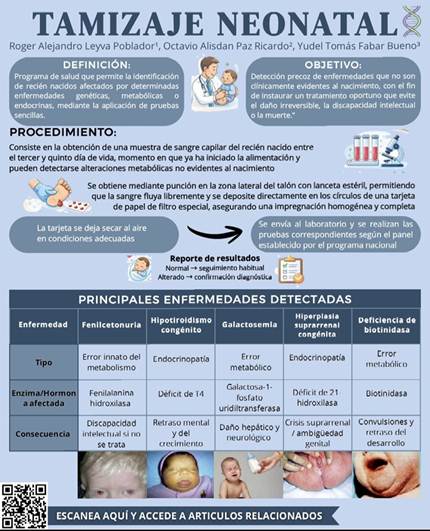
Figure 1: Academic poster “Neonatal Screening”.
The McNemar test for paired samples showed a statistically significant change in knowledge level before and after using the poster. The discordant pairs consisted of 56 students who improved from inadequate to adequate knowledge, and 0 who improved from adequate to inadequate knowledge. With Edwards' continuity correction, the calculated statistic was χ² = 54.02 (df = 1), with a p-value < 0.001, confirming that the observed increase was not due to chance.
Table 1. Distribution of students according to knowledge level before and after using the academic poster "Neonatal Screening." Faculty of Medicine No. 1, Santiago de Cuba, 2025
|
Knowledge |
After |
Total |
|||||
|
Inappropriate |
Appropriate |
||||||
|
No. |
(%) |
No. |
(%) |
No. |
(%) |
||
|
Before |
Inappropriate |
3 |
4,60 |
56 |
86,2 |
59 |
90,8 |
|
Appropriate |
0 |
0 |
6 |
9,2 |
6 |
9,2 |
|
|
Total |
3 |
4,60 |
62 |
95,4 |
65 |
100 |
|
Note: McNemar test with continuity correction: χ² = 54.02; df = 1; p < 0.001. The values in parentheses represent percentages with respect to the total sample (n = 65).
In the usability and satisfaction evaluation (Table 2), 100% of the students (n = 65) stated that the poster was easy to use and rated the design as good. Likewise, all participants reported that their understanding of the content was adequate and that they felt motivated to study the topic through this resource.
Table 2. Distribution of students according to understanding of the content, ease of use, design and motivation after using the “Neonatal Screening” academic poster. Faculty of Medicine No. 1, Santiago de Cuba, 2025
|
Aspect evaluated |
Categoría |
n |
% |
|
Content comprehension |
Adequate |
65 |
100 |
|
Inadequate |
0 |
0 |
|
|
Ease of use |
Easy to use |
65 |
100 |
|
Moderately easy |
0 |
0 |
|
|
Difficult to use |
0 |
0 |
|
|
Design |
Good |
65 |
100 |
|
Fair |
0 |
0 |
|
|
Poor |
0 |
0 |
|
|
Motivation |
Motivated |
65 |
100 |
|
Not Motivated |
0 |
0 |
Source: Own elaboration.
DISCUSSION
Neonatal screening constitutes a test of great importance in neonatology, given its diagnostic and predictive value for the early detection of congenital diseases (1). Its study through traditional bibliography presents comprehension difficulties for medical students, which evidences the need to design innovative pedagogical strategies that facilitate the appropriation and understanding of these contents (2).
Contemporary challenges in higher education have driven the search for renewed didactic models, the application of active methodologies, and the use of new teaching resources, aimed at achieving comprehensive training that allows students to understand content with greater precision. Information and communication technologies have transformed the way teaching is delivered, generating new teaching tactics and modifying access to information (3,4).
González Romero and López Casado (11), at the University of Seville, developed an evaluation system through the application of academic posters in the Geography course, and observed a significant increase in the number of students who achieved grades of notable and outstanding. These findings coincide with the results of the present study, where it was evidenced that 95,2 % of the students achieved an adequate level of knowledge about neonatal screening after the application of the academic poster. The concordance between both studies suggests that the academic poster constitutes an effective tool for increasing academic performance in various disciplines.
Yrigoyen Feijoo (5), in a study conducted at the Pampa Grande Health Center (Peru), demonstrated that the level of knowledge about neonatal screening in pregnant mothers was rated as medium in 45,7 % of cases, and attributed this limitation to insufficient information provided by health personnel. This finding evidences the need to strengthen undergraduate training in neonatal screening, to ensure that future health professionals master this topic and can effectively educate their patients.
Quick response (QR) codes have been incorporated into various educational contexts to create digital learning environments adapted to contemporary student styles. These codes contribute to improving collaboration between teachers and students, facilitate information transmission, enable resource sharing, allow real-time activities, and improve training modalities, with the additional advantage of requiring few technical skills for their use and offering low-cost implementation (13). In the present investigation, a QR code was incorporated into the academic poster design to encourage students to expand their information on the topic, promoting self-learning and access to updated scientific sources.
Ruano (14), in a study on innovative methodologies in architecture teaching, reported that 91 % of students positively rated the application of academic posters, noting their favorable impact on learning and motivation, and recommended their systematic use. These results correspond with those obtained in the present study, where 100% of the participants reported motivation to study the content and favorably rated the ease of use and design of the product.
Martín Marchante and Gimeno Sanz (15), in an investigation on the academic poster in teaching English for specific purposes, demonstrated that this tool contributed to students acquiring or improving non-linguistic skills to a greater extent than expected, and considered it a valuable resource for the educational process. The authors of the present study agree with these findings, since the research conducted demonstrated the effectiveness of the academic poster as a teaching medium to address the topic of neonatal screening, its theoretical content, technical procedures, and detectable diseases, thus contributing to the fulfillment of the objectives of the Study Plan D of the Pediatrics course (10).
The generalization of this product among university students allows the content to be addressed in a different and novel way. Due to its usefulness, low cost, and rapid dissemination capacity, its implementation in other universities and medical science faculties is suggested. Likewise, given the accessible design and the inclusion of the QR code, this resource could be adapted to educate pregnant women and families in maternal care services, contributing to raising the population's level of knowledge about neonatal screening.
The present study has limitations that must be considered when interpreting the results. First, the quasi-experimental design without a control group limits the ability to causally attribute the observed changes exclusively to the academic poster, and there may be learning effects from questionnaire repetition or uncontrolled variables. Second, the relatively small sample size (n=62) restricts the generalization of the findings to other student populations. Third, the absence of long-term follow-up prevents determining the retention of acquired knowledge. Finally, the potential bias derived from the fact that the researchers themselves designed and evaluated the product could have influenced the favorable assessments reported by the students.
CONCLUSIONS
A digital academic poster on neonatal screening was created for the Pediatrics course, which proved to be effective in increasing the level of knowledge of fourth-year medical students. The intervention with this resource generated a favorable and statistically significant change in learning, while being positively valued by students in terms of usability, design, and motivation. It is concluded that the academic poster constitutes a useful, accessible, and low-cost didactic tool for addressing complex content in undergraduate medical training, and its implementation in other health sciences faculties is recommended, as well as its adaptation for community education on neonatal screening.
BIBLIOGRAPHIC REFERENCES
1. Condori Barreto J, Jacobo Iturriaga M, Achata Tacora RM. Conocimiento y actitud ante el tamizaje neonatal en madres de recién nacidos. Investigación e innovación [Internet]. 2021 [cited 20/04/2026];1(2):119-127. Available in: https://scholar.google.com/scholar?as_ylo=2026&q=tamizaje+neonatal&hl=es&as_sdt=0,5#d=gs_qabs&t=1772854036780&u=%23p%3DcRPwfnzctEYJ
2. Tandalla-Toapanta GP, Cusme-Torres NA. Conocimiento de las Madres sobre el Tamizaje Neonatal para Detectar Enfermedades Metabólicas Genéticas. Pol. Con [Internet]. 2021 [cited 20/04/2026];6(12):118-191. Available inhttps://scholar.google.com/scholar?hl=es&as_sdt=0,5&qsp=1&q=tamizaje+neonatal+nivel+de+conocimiento&qst=br#d=gs_qabs&t=1772854422661&u=%23p%3DDkd4qL0-Z_kJ
3. Acosta Arevalo CR, Alvarado Holguin BB. Aplicación del Tamizaje Metabólico Neonatal por parte del Personal de Enfermería. Repositorio de la Universidad Estatal de Milagro [Internet]. 2021 [cited 20/04/2026]. Available in: http://repositorio.unemi.edu.ec//handle/123456789/5347
4. Pozo Tomalá XR, Solano Yagual MC. Nivel de cumplimiento sobre los protocolos del tamizaje neonatal en primigesta. Hospital general Dr. Liborio Panchana Sotomayor 2018 [Internet]. 2018 [cited 20/04/2026]. Available in: https://repositorio.upse.edu.ec/handle/46000/4546
5. Yrigoyen Feijoo NV. Nivel de conocimiento de las madres sobre tamizaje neonatal en el Centro de Salud de Pampa Grande, Tumbes - 2022. Universidad Nacional de Tumbes [Internet]. 2023 [cited 20/04/2026]. Available in: https://scholar.google.com/scholar?hl=es&as_sdt=0,5&qsp=1&q=tamizaje+neonatal+nivel+de+conocimiento&qst=br#d=gs_qabs&t=1772854451882&u=%23p%3Dbj5al25OdW4J
6. Romero Andrea V, Ruiz Salazar SR, Yáñez Becerril CP. Prevalencia de hipotiroidismo congénito en recién nacidos diagnosticados por tamiz neonatal alterado en Hospital General Regional No. 2. Universidad Autónoma de Querétaro [Internet]. 2025 [cited 20/04/2026]. Available in: https://scholar.google.com/scholar?as_ylo=2026&q=tamizaje+neonatal&hl=es&as_sdt=0,5#d=gs_qabs&t=1772854153964&u=%23p%3D86U1NjEdyv0J
7. Rojas Godoy JP, Parra Sandoval F, Giraudo Abarca F, Mericq Guila V. Tamizaje neonatal de Hiperplasia Suprarrenal Congénita en Chile: implementación y desafíos iniciales. Andes pediatr [Internet]. 2026 [cited 20/04/2026];97(1):7-9. Available in: https://scholar.google.com/scholar?as_ylo=2026&q=tamizaje+neonatal&hl=es&as_sdt=0,5#d=gs_qabs&t=1772854106454&u=%23p%3D21J7ZBVPEpAJ
8. González Fernández RS, Rodríguez González D, Bonilla González Y. De la "prueba de la fenil" al tamiz neonatal: la ciencia cubana que salva vidas. Revista Cubana de Medicina General Integral [Internet]. 2026 [cited 20/04/2026];42:e3724. Available in: https://scholar.google.com/scholar?as_ylo=2026&q=tamizaje+neonatal&hl=es&as_sdt=0,5#d=gs_qabs&t=1772854036780&u=%23p%3DcRPwfnzctEYJ
9. Barker E, Phillips V. Creating conference posters: Structure, form and content. J Perioper Pract [Internet]. 2021 [cited 20/04/2026];31(7-8):296-9. Available in: https://pubmed.ncbi.nlm.nih.gov/34219553/
10. Castro-Rodríguez Y. Characteristics and considerations for presenting an academic poster in Higher Medical Education. Educ Med Super [Internet]. 2022 [cited 20/04/2026];36(1). Available in: http://scielo.sld.cu/scielo.php?script=sci_arttext&pid=S0864-21412022000100018&lng=es
11. González Romero G, López Casado D. El póster académico como instrumento de aprendizaje en educación superior. Aplicación en la enseñanza de la geografía. Universidad de Sevilla [Internet]. 2023 [cited 20/04/2026]. Available in: https://scholar.google.com/scholar?hl=es&as_sdt=0,5&qsp=1&q=innovador+en+la+ense%C3%B1anza+p%C3%B3ster+acad%C3%A9mico&qst=br#d=gs_qabs&t=1772855364497&u=%23p%3Dc18mNx6XBk8J
12. Quintero M, Jerez Rondon JC. Las tic para la enseñanza de la matemática en educación media general. RECITIUTM [Internet]. 2019 [cited 20/04/2026];6(1):20-36. Available in: http://201.249.78.46/index.php/recitiutm/article/view/168
13. Spinelli OM, Dreizzen E, Antonelli A, Stoeff Belkenoff MZ. Códigos QR en Educación Médica- Parte 3. Una Innovación en el Proceso de Enseñanza - Aprendizaje. An Fac Cienc Méd (Asunción) [Internet]. 2023 Apr [cited 20/04/2026];56(1):119-132. Available in: http://scielo.iics.una.py/scielo.php?script=sci_arttext&pid=S1816-89492023000100119&lng=en
14. Ruano LF. Metodologías innovadoras en la enseñanza de la arquitectura. Diseño Arquitectónico, Urbano, Historia y Patrimonio Cultural [Internet]. 2024 [cited 20/04/2026]. Available in: https://scholar.google.com/scholar?hl=es&as_sdt=0,5&qsp=1&q=innovador+en+la+ense%C3%B1anza+p%C3%B3ster+acad%C3%A9mico&qst=br#d=gs_qabs&t=1772855416376&u=%23p%3DYfVGn0G7QKQJ
15. Martín Marchante B, Gimeno Sanz AM. El póster académico como instrumento innovador en la enseñanza de inglés para fines específicos. VI Congreso Internacional sobre Aprendizaje, Innovación y Cooperación (CINAIC 2021) [Internet]. 2021 [cited 20/04/2026]. Available in: https://scholar.google.com/scholar?hl=es&as_sdt=0%2C5&q=p%C3%B3ster+electr%C3%B3nico+medio+de+ense%C3%B1anza&btnG=#d=gs_qabs&t=1772855184933&u=%23p%3DrGdDMHBIUokJ
16. Glantz SA. Primer of Biostatistics. 7th ed. New York: McGraw-Hill Medical; 2012.
17. World Medical Association. World Medical Association Declaration of Helsinki: ethical principles for medical research involving human subjects. JAMA [Internet]. 2013 [cited 20/04/2026];310(20):2191-4. Available in: https://jamanetwork.com/journals/jama/fullarticle/1760318
AUTHORSHIP STATEMENT
RALP: Conceptualization, data curation, formal analysis, project management, methodology, supervision, validation, visualization, and drafting.
OAPR: Conceptualization, data curation, formal analysis, project management, methodology, and supervision.
YTFB: Research, project management, methodology, visualization, and drafting.
JHL: Supervision, validation, visualization, drafting, and editing.
MFV: Supervision, validation, visualization, drafting, and editing.
CONFLICT OF INTEREST
The authors declare no conflict of interest.
FUNDING SOURCES
The authors declare that they received no funding.
USE OF ARTIFICIAL INTELLIGENCE
The authors declare that no artificial intelligence was used in the writing of this manuscript.